
Engineering for the Ground Reality: Why We Built a Custom Windows Background Service for Venta Suite
When enterprise engineers design retail or hospitality applications, they almost always default to standard Software as a Service (SaaS) paradigms: continuous high-speed internet, thin-client browsers, and immediate cloud availability.
But if you deploy an always-online cloud architecture into heavy-volume retail environments across West Africa, the system physically breaks down. Intermittent network drops, sudden power cycles, and high transaction density require an intentional, first-principles rebuild of the underlying technical stack.
At Rootech IT Solutions, our engineering philosophy for the Venta Suite has always been offline-first. Our nodes must not only survive complete network isolation; they must protect data integrity and remain completely uncompromised by internal or external factors while doing so.
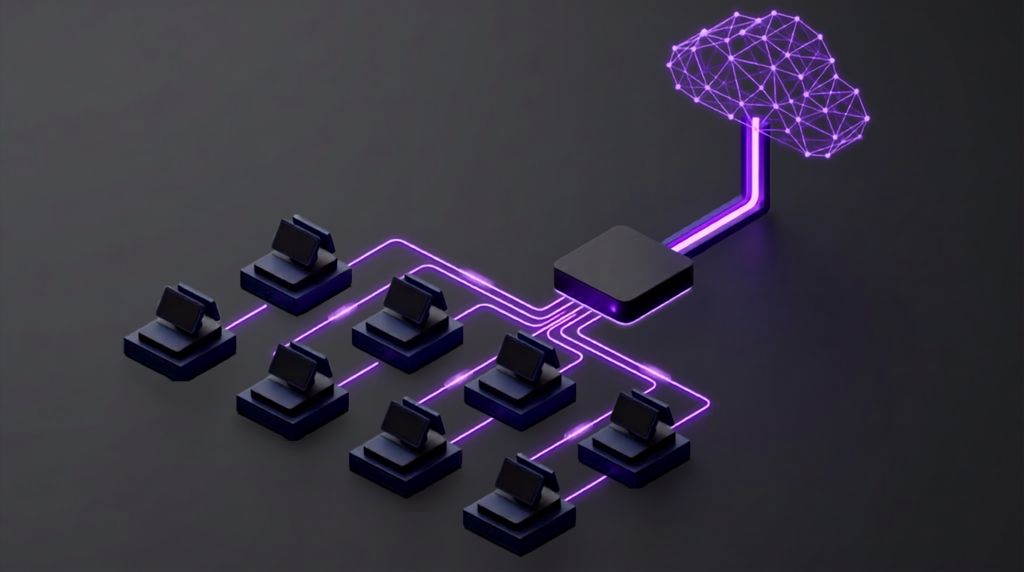
Recently, we hit an important milestone in this journey by deploying Venta Service—a self-contained, elevated Windows background utility. This background worker bridges our local, decentralized store terminals with our secure cloud ecosystem, handling core maintenance quietly behind the scenes without disrupting front-counter sales.
Here is a look at the engineering philosophy behind this framework.
The Operational Challenge: Centralization vs. Autonomy
In a complex retail layout, like a multi-register supermarket or a fast-moving restaurant floor, individual machines communicate over a Local Area Network (LAN) to share inventory and transactions instantly. This local network keeps the store running perfectly without requiring outside internet.
However, managing distributed nodes introduces significant infrastructural hurdles:
- Administrative Overhead: Rolling out version updates or adjusting system configuration files across scattered branch networks manually is highly inefficient.
- Terminal Security: Leaving critical server environments or system files accessible to standard register users creates severe anti-tampering and security concerns.
We needed a silent, dedicated system-level utility that protects configuration files from local tampering while allowing secure, authorized updates to execute flawlessly.
Architectural Pillars of Venta Service
To solve this, we abstracted our background orchestration layers entirely out of the standard frontend application interface and moved them into a compiled background service running at the operating system level.
We focused on three core engineering pillars:
1. Node-Level Administrative Governance
To prevent unauthorized adjustments or cashier tampering, configuration controls are locked behind an isolated authentication engine. The background utility queries local security tables directly to verify administrative credentials before rendering any editing interface. This ensures that only high-level personnel can modify operational variables, creating an immediate barrier against internal vulnerabilities.
2. Fail-Safe Environment Upgrades & Automated Recovery
Software updates must never introduce system instability. When a version update or configuration shift is securely authorized, the background worker operates on a strict fail-safe model:
-
It generates temporary, timestamped system restoration points automatically before executing changes.
-
It logs modification details to ensure a clear audit trail for management.
-
It communicates securely with our cloud core to verify version schemas, streaming progress updates efficiently before applying changes directly to the local directory.
3. Non-Blocking Local Server Management
Refreshing terminal settings or restarting local web service layers usually causes application lag. To avoid this, our background service offloads heavy administrative operations to dedicated, non-blocking background loops. This architecture ensures that the primary register interface remains highly responsive, allowing cashiers to keep scanning products and processing checkouts uninterrupted.
Designing for Long-Term Structural Stability
As an IT entrepreneur and software architect, I believe real technical innovation happens at the foundational layer. Slick user interfaces are highly valuable, but they mean very little if the underlying infrastructure cannot handle real-world challenges.
By handling system settings, cryptographic handshakes, and deployment updates through automated background services, we remove technical friction for the business owner while establishing an incredibly secure operating environment. We aren't just building basic point of sale software; we are engineering highly resilient, enterprise-grade networks built to thrive exactly where they are deployed.